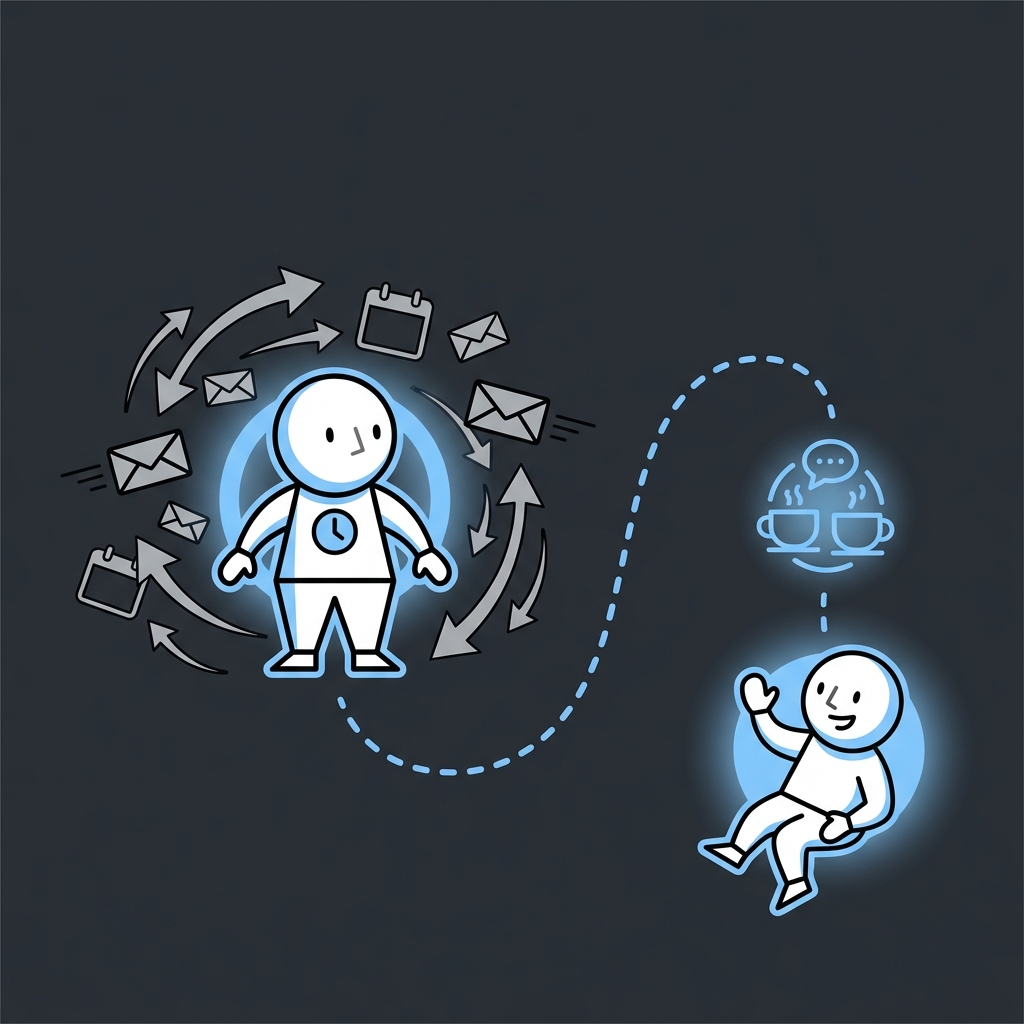
The text arrives at 2:47 PM on a Tuesday: “Thinking of you! How are things?” Your heart does a little skip—it’s Sarah, your college roommate who you haven’t talked to in four months. You smile, start typing a response, then stop. Where do you even begin? The promotion, the kids’ activities, your mom’s health scare, the kitchen renovation that’s dragging on forever. By the time you figure out how to condense your life into a text that doesn’t sound like a novel, you’re picking up groceries. You’ll respond later.
Later becomes tomorrow, then next week. The message gets buried under school pickup reminders and work deadlines. Three weeks pass before you remember, and now the gap feels too big to bridge with anything less than a phone call—which feels too big for a Wednesday evening when you’re already behind on everything else.
This is how good friendships quietly dissolve in adult life. Not through conflict or betrayal, but through the accumulated weight of small postponements and the growing sense that maintaining connection requires more energy than we have to give.
The Effort Nobody Talks About
Adult friendship is fundamentally different from the friendships we formed in school or college, when proximity and shared schedules created natural opportunities for connection. Back then, friendship happened in the margins—walking between classes, grabbing lunch, studying together. The infrastructure of daily life supported relationship building without us having to think about it.
Now, friendship requires architecture. It demands the same kind of intentional design we bring to career advancement or family logistics. Yet we rarely acknowledge this shift, instead carrying a vague guilt that we’re somehow failing at something that should feel effortless.
The truth is that sustaining adult friendships is genuinely hard work. It requires remembering birthdays, initiating plans, following up on conversations, navigating different life phases and priorities. It means coordinating calendars across time zones and family obligations. It involves the emotional labor of staying curious about people’s evolving lives and the practical labor of making connection happen despite competing demands.

The infrastructure of daily life no longer supports friendship—we have to build it ourselves.
Most productivity advice treats relationships like any other task to optimize. Schedule regular check-ins! Batch your social calls! Use a CRM for friends! But friendship isn’t a project to manage—it’s a living relationship that requires presence, spontaneity, and the kind of attention that can’t be systematized away.
The Slow Drift
The most painful part of adult friendship isn’t dramatic endings—it’s the gentle drift. You and your close friend from your twenties don’t have a fight. You don’t decide to stop being friends. You just gradually stop being present in each other’s daily lives.
It starts small. You used to text throughout the day, sharing random thoughts and work frustrations. Then life gets busier—new jobs, relationships, moves, kids. The daily texting becomes weekly check-ins, then monthly catch-ups, then sporadic messages that feel increasingly forced. You still care deeply about each other, but the rhythm of regular connection breaks down.
The drift accelerates because modern life offers so few natural intersection points. You don’t run into each other at the grocery store or the gym. You’re not in the same office or neighborhood. Without intentional effort, even strong friendships can fade into fond memories and occasional social media interactions.
What makes this particularly painful is that the drift often happens with people who matter most to us. These aren’t casual acquaintances—they’re the friends who knew us during formative years, who’ve seen us through major life transitions, who understand our history in ways that new friends can’t. Losing these connections feels like losing pieces of ourselves.
The guilt compounds the loss. We tell ourselves we should be better at staying in touch, that good friends would make more effort, that we’re selfish for letting important relationships slide. But the truth is that most of us are already operating at capacity. Adding “be a better friend” to an already overwhelming list of responsibilities doesn’t solve the underlying problem.
What Gets in the Way
The barriers to adult friendship are both practical and emotional. On the practical side, there’s the simple mathematics of time and energy. Between work demands, family responsibilities, and basic life maintenance, most of us have little bandwidth left for social connection. When we do have free time, we often need it for rest rather than social engagement.
Logistics create another layer of complexity. Coordinating schedules across different life phases—single friends, coupled friends, friends with young kids, friends with teenagers—requires significant planning. The spontaneous hangouts of earlier decades give way to calendar negotiations that can take weeks to resolve.
Energy management adds another dimension. Maintaining friendships requires emotional availability that can feel impossible when you’re already stretched thin. It’s not just about having time—it’s about having the mental and emotional capacity to be present for someone else’s life, to ask good questions, to offer support when needed.
Then there’s the asymmetry problem. Friendships require mutual investment, but life circumstances don’t always align. One person might be going through a demanding period at work while the other is dealing with family stress. One friend might have more time and energy to maintain the relationship, creating an imbalance that can feel uncomfortable for both parties.
The guilt cycle makes everything worse. When you realize you haven’t talked to someone important in months, the weight of that absence can make reaching out feel overwhelming. What do you say after such a long gap? How do you acknowledge the space without making it weird? The longer you wait, the bigger the barrier becomes.
Redefining Low-Maintenance Connection
The solution isn’t to become better at traditional friendship maintenance—it’s to redesign what connection looks like in the context of busy adult lives. Low-maintenance friendship doesn’t mean caring less; it means creating sustainable ways to stay connected that don’t require perfect consistency or elaborate planning.
This might mean accepting that some friendships will have natural ebbs and flows based on life circumstances. During intense periods—new babies, job changes, health crises—some relationships might go dormant without that meaning they’re over. The key is creating enough trust and understanding that both people can return to the friendship when capacity allows.
It also means expanding our definition of meaningful connection beyond long phone calls and elaborate hangouts. Sometimes the most valuable touch points are small: a voice message while walking the dog, a photo that reminded you of an inside joke, a quick text checking in during a stressful time you remembered from previous conversations.
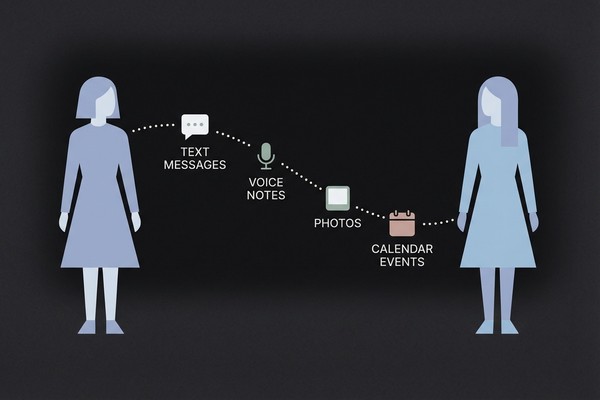
The goal isn’t constant contact—it’s consistent care expressed in ways that work within real constraints. This requires letting go of perfectionist standards about what good friendship should look like and focusing instead on what actually sustains connection over time.
Designing for Friendship
Intentional friendship design starts with accepting that relationships need structure to survive adult life. This doesn’t mean turning friends into tasks, but rather creating gentle systems that help important relationships persist despite competing demands.
Recurring anchors provide one approach. Instead of trying to maintain constant contact, establish predictable touchpoints that don’t require ongoing decision-making. This might be a monthly voice message exchange, a seasonal check-in call, or an annual tradition that gives you guaranteed time together. The key is choosing a rhythm that feels sustainable rather than aspirational.
Proactive reaching out becomes crucial because waiting for natural opportunities often means waiting indefinitely. This means being willing to send the first text, make the first call, suggest the first hangout—even when you’re not sure if the timing is right. Most people are grateful when someone else takes the initiative, but few of us want to always be the one making the effort.
The art is learning to reach out without expecting immediate responses or perfect reciprocation. Send the message because you’re thinking of someone, not because you need something back. Share the photo because it made you smile, not because you’re keeping score of who initiates contact.
Forgiving irregularity might be the most important design principle. Adult friendship requires accepting that consistency will be imperfect, that responses might be delayed, that plans might need to change. Building in grace for the messiness of real life makes relationships more resilient and less fragile.
This means getting comfortable with picking up conversations after long gaps, not taking delayed responses personally, and understanding that someone’s availability fluctuates with their circumstances. It means celebrating the connections that do happen rather than focusing on the ones that don’t.
The strongest adult friendships are built on trust that care persists even when contact doesn’t.
The Recovery Question
Think for a moment about one friendship that’s drifted in your life—someone who used to be a regular presence but has gradually become a fond memory. Maybe it’s a college friend who moved across the country, a former colleague who changed jobs, or a neighbor who relocated. Someone you still care about but haven’t talked to in months or even years.
What would it look like to gently reopen that connection? Not with grand gestures or elaborate explanations for the gap, but with simple acknowledgment that they’ve been on your mind. The message doesn’t need to be perfect or comprehensive—it just needs to be sent.
The recovery of drifted friendships often requires someone to be brave enough to bridge the gap first. To send the text that says “I know it’s been forever, but I was thinking about you.” To make the call that acknowledges time has passed without making it a big deal. To suggest getting together without needing to justify why now feels right.
Most of the time, the other person has been thinking the same thing. They’ve been carrying their own guilt about lost touch, their own uncertainty about how to reconnect. Your reaching out gives them permission to care out loud again.
Beyond Individual Effort
While personal intention matters enormously in sustaining friendships, the broader challenge reveals something important about how we structure modern life. We’ve created social and economic systems that make human connection increasingly difficult to maintain, then blame individuals for struggling with loneliness and social isolation.
The solution isn’t just better personal habits—it’s also recognizing that friendship, like any other important aspect of life, benefits from support systems that help us remember what matters and follow through on our intentions. Tools that help track important dates, remind us when we haven’t connected with someone in a while, or suggest ways to reach out can reduce the mental load of friendship maintenance.
The goal isn’t to automate relationships, but to create gentle scaffolding that helps our caring translate into action. Because the hardest part of adult friendship often isn’t caring—it’s remembering to express that care in ways that keep connections alive.
When we reduce the friction around maintaining relationships, we create space for the spontaneity and depth that make friendship meaningful. We stop spending so much energy on the logistics of connection and can focus on the connection itself.
Adult friendship requires intention, but it doesn’t have to require perfection. With thoughtful design and realistic expectations, we can build relationships that survive the complexity of grown-up life—not despite our busy lives, but within them.
This article was created with collaboration between humans and AI—we hope you ❤️ it.