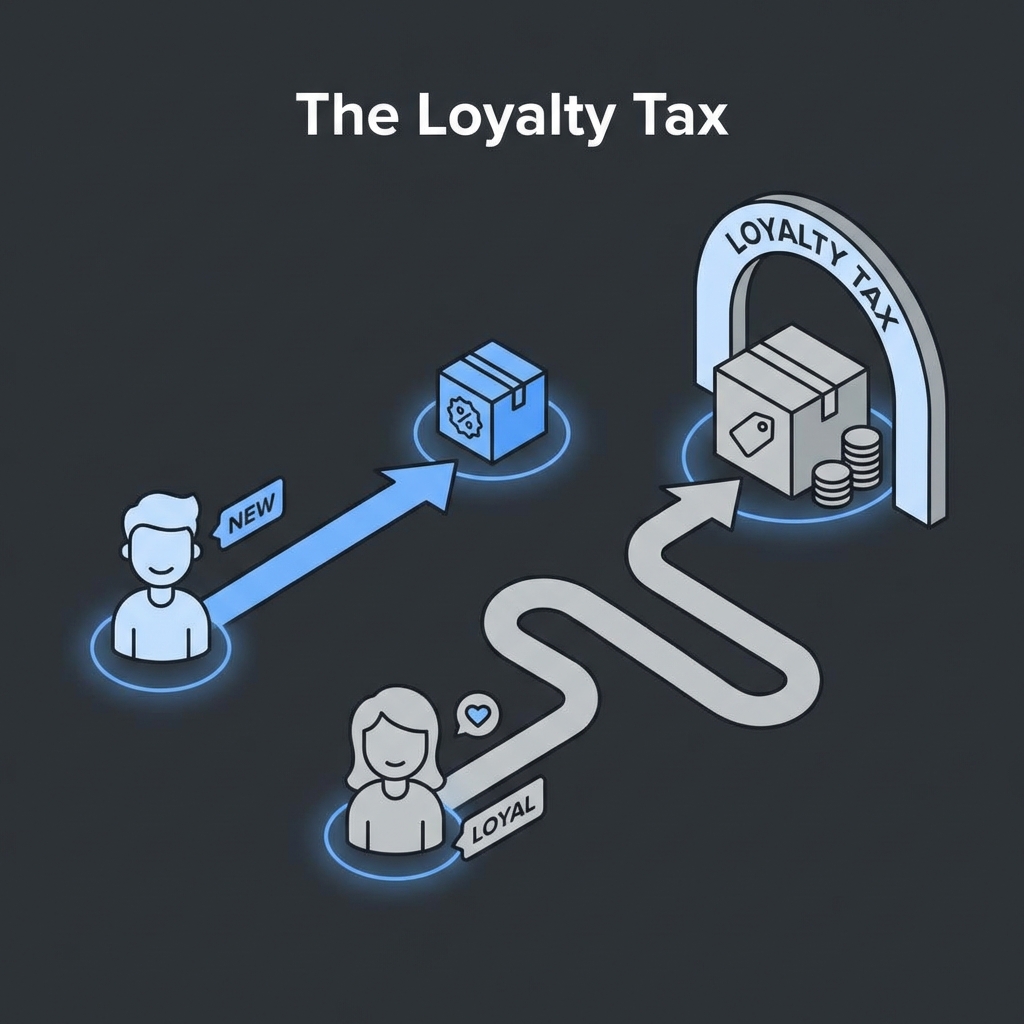
There’s a particular exhaustion that comes with being the person everyone turns to. It starts small—you handle something well once, maybe twice, and suddenly it’s yours forever. The thank-you notes pile up, people praise your reliability, and you feel genuinely good about being helpful. But somewhere along the way, without anyone announcing it, your willingness to help transforms into an obligation that nobody questions.
This is the loyalty tax: the invisible cost of being dependable. It’s what you pay for being the person who remembers, who follows through, who can be counted on when things get messy. And like most taxes, it compounds over time until you’re carrying a load that would shock people if they could see it itemized.
The Accumulation of Always
The loyalty tax doesn’t arrive as a single, dramatic burden. It accumulates through a thousand small moments of competence. You organize the family vacation once, and suddenly you’re the travel planner for life. You cover for a colleague during their crisis, and their emergencies become your standing Tuesday obligation. You remember to send birthday cards, so you become the family’s emotional infrastructure.
Each individual request seems reasonable. Of course you can handle the school fundraiser—you did such a great job last time. Obviously you’ll coordinate the team lunch—you have everyone’s dietary restrictions memorized. Naturally you’ll manage the household calendar—you’re so organized.
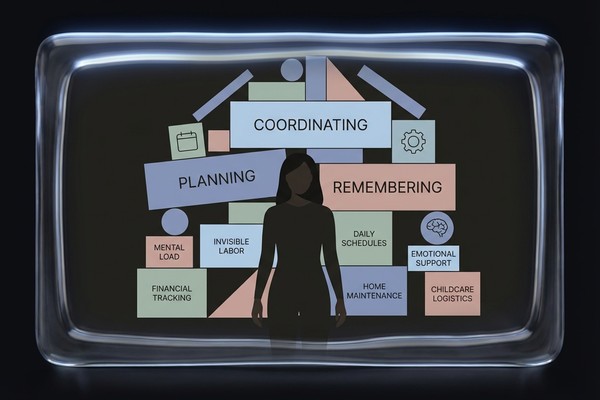
The praise feels genuine, and it is. People aren’t manipulating you when they say “you’re so good at this” or “I don’t know what we’d do without you.” They mean it. But what starts as appreciation gradually hardens into assumption. Your competence becomes invisible infrastructure that everyone depends on but nobody maintains.
The cruelest part? You often don’t notice the accumulation until you’re drowning. Each new responsibility felt manageable when it arrived, but collectively they create a mental load that follows you everywhere. You’re the one who wakes up at 3 AM remembering that someone needs to coordinate the potluck. You’re the one checking your phone during dinner to make sure nothing urgent slipped through the cracks.
The loyalty tax isn’t just about the tasks you do—it’s about the mental space you rent out to other people’s peace of mind.
The Identity Trap
Here’s where the loyalty tax becomes particularly insidious: it gets tangled up with who you are. Being reliable isn’t just something you do; it becomes something you are. Your identity starts to depend on being the person others can count on, which makes it nearly impossible to step back without feeling like you’re betraying yourself.
This identity fusion happens gradually. At first, you’re just helping out. But as people come to rely on you, their gratitude and relief become addictive. You start to derive genuine satisfaction from being indispensable. The problem is that indispensable people can’t take breaks, can’t say no, can’t redistribute their load without everything falling apart.
The fear of disappointing people becomes paralyzing. Not because you’re a people-pleaser by nature, but because you’ve become structurally essential to other people’s functioning. When your mother-in-law says “I don’t know how you keep track of everything,” she’s not just complimenting you—she’s also admitting that she’s transferred that cognitive work to you entirely.
Saying no starts to feel selfish, even when you’re overwhelmed. After all, you’re “so good at this stuff.” Why would you make everyone else struggle with something you could handle easily? This logic sounds reasonable until you realize it’s a trap that ensures you’ll never be free from the very skills that imprisoned you.
The Reliability Paradox
The most frustrating aspect of the loyalty tax is how your competence works against you. The better you get at managing multiple responsibilities, the more responsibilities flow your way. It’s like being rewarded for good behavior with more work.
This creates a paradox: the more reliable you become, the less reliable everyone else needs to be. Your family stops keeping their own calendars because you have the master schedule. Your colleagues stop tracking project deadlines because they know you’ll send reminders. Your friends stop planning because they know you’ll handle the details.
You’ve accidentally created a system where your reliability enables everyone else’s irresponsibility. And because you’re good at what you do, the system works smoothly—until you’re not there. Then everything falls apart, which only reinforces how “essential” you are.
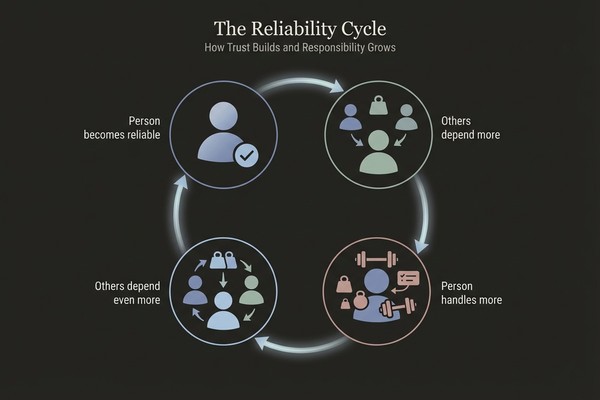
The loyalty tax compounds because reliable people tend to be conscientious people, and conscientious people notice when things aren’t done well. So not only are you handling more tasks, you’re handling them to a higher standard than the people who handed them off. You’re not just doing the work—you’re doing it better than it was done before, which makes it even harder for anyone to imagine taking it back.
The Renegotiation
Breaking free from the loyalty tax requires something most reliable people find terrifying: disappointing people strategically. Not because you want to hurt anyone, but because the current system is unsustainable and ultimately unfair to everyone involved.
The key is renegotiation, not rebellion. You can’t just stop doing everything overnight without causing chaos. But you can start redistributing the load in ways that feel collaborative rather than abandoning your post.
Start by making the invisible visible. When someone thanks you for “handling everything,” itemize what “everything” actually includes. Not to guilt them, but to help them understand the scope of what they’ve come to take for granted. Most people genuinely don’t realize how much mental load they’ve transferred to you.
The goal isn’t to stop being helpful—it’s to stop being the only person who helps.
Begin with small redistributions. Instead of automatically coordinating the family gathering, ask who else might enjoy taking point on planning. Instead of being the sole keeper of your team’s deadlines, suggest a shared tracking system. Instead of remembering everyone’s preferences, create ways for people to manage their own information.
Expect resistance, but not malicious resistance. People have gotten comfortable with the current arrangement, and change feels risky when the stakes are high. Your family worries that the vacation won’t be as well-organized. Your colleagues fear that projects will slip through cracks. Their concerns aren’t invalid, but neither is your need for sustainable boundaries.
The Prompt That Changes Everything
Take a moment to consider this question: What’s one reliable role you play that costs more than anyone knows?
Maybe you’re the family’s emotional thermostat, managing everyone’s moods and conflicts. Maybe you’re the office’s institutional memory, keeping track of decisions and context that would otherwise be lost. Maybe you’re the friend group’s social coordinator, making sure everyone stays connected and included.
Whatever role comes to mind, notice how it feels to name it explicitly. There’s often relief in acknowledging the true scope of what you carry, even if nobody else witnesses that acknowledgment. The loyalty tax thrives in invisibility—naming it is the first step toward renegotiating it.
Systems That Share the Load
The ultimate solution to the loyalty tax isn’t individual boundary-setting, though that’s important. It’s creating systems that distribute reliability so it doesn’t rest entirely on one person’s shoulders.
This might mean shared calendars that everyone maintains, not just accesses. It could involve rotating responsibilities so that reliability becomes a team sport rather than a solo performance. It might require tools that remember and track things automatically, reducing the cognitive load on any individual person.
The goal is building infrastructure that works even when the most reliable person takes a vacation, gets sick, or simply needs a break. When reliability is systemic rather than personal, everyone benefits—including the people who were unknowingly paying the loyalty tax.
True sustainability comes from systems that support human limitations rather than exploiting human strengths. The most reliable thing you can do might be creating structures that don’t require anyone to be superhuman.
Being dependable is a gift, but gifts freely given shouldn’t become debts that compound forever. You deserve systems that hold what you’ve been holding, so you can choose when and how to help rather than feeling trapped by your own competence.
This article was created with collaboration between humans and AI—we hope you ❤️ it.