The apartment was a disaster. Not in the obvious way—dirty dishes or unmade beds—but in the thousand tiny ways that revealed I had no idea how to be an adult. The smoke detector had been chirping for three weeks because I didn’t know you could just buy batteries at the grocery store. My “dining room table” was a folding card table from Target that wobbled every time I set down a glass of water. I owned exactly two towels, both of which had somehow turned gray in the wash.
I was 24, college-educated, and completely unprepared for the reality that being an adult meant knowing how to do approximately ten thousand things that no one had ever taught me.
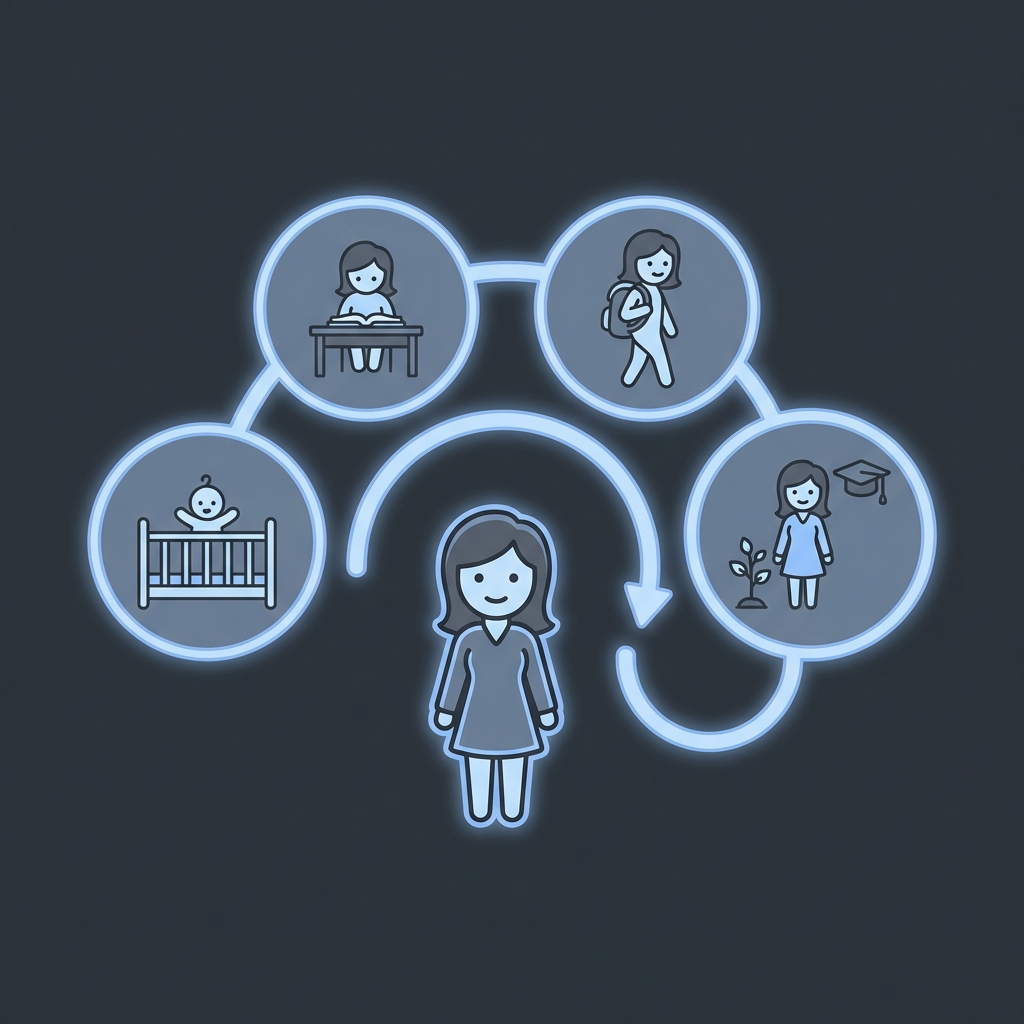
This is the formation years: that stretch of young adulthood when you’re simultaneously building a career, learning to run a household, figuring out adult relationships, and trying to become whoever you’re supposed to be. It’s marketed as freedom, but it’s actually one of the most cognitively expensive phases of life. Everything is new, the stakes feel impossibly high, and the manual is missing.
The Hidden Curriculum of Becoming
The formation years aren’t just about landing your first job or moving out of your parents’ house. They’re about learning to navigate systems that assume you already know how they work. How do you negotiate a salary when you’ve never had one? What’s the difference between a good lease and a terrible one? How often are you supposed to wash your sheets, and what does “business casual” actually mean?
The cognitive load is staggering because everything requires research, decision-making, and often expensive mistakes. You’re not just learning individual tasks—you’re building entire systems from scratch. A household management system. A professional identity. A social life that doesn’t revolve around assigned roommates and dining hall schedules.
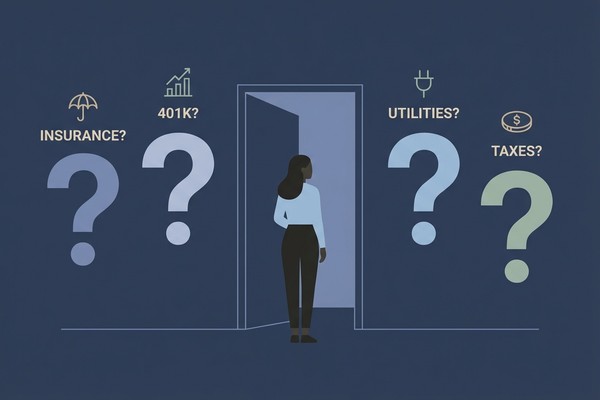
Each decision branches into ten more decisions. Choose an apartment, and suddenly you need to understand renters insurance, utility setup, internet providers, and whether that weird smell in the bathroom is normal. Start a job, and you’re navigating office politics, benefits enrollment, and the unspoken rules about when it’s okay to leave for the day.
You’re not just learning to do adult things—you’re learning to think like an adult, which means holding complexity that used to be someone else’s job.
The exhaustion isn’t just from the tasks themselves. It’s from the constant meta-cognition: thinking about thinking, learning how to learn, figuring out what you don’t know that you don’t know. Your brain is running background processes all the time, trying to decode the hidden curriculum of adult life.
The Loneliness of Not Knowing What You Don’t Know
What makes the formation years particularly brutal is how isolating they can be. You’re surrounded by other people who seem to have figured it out, but you can’t quite put your finger on what “it” is. Everyone else appears to know instinctively how to dress for work, how to make small talk at networking events, how to keep plants alive.
The loneliness isn’t just social—it’s cognitive. You’re constantly encountering situations where you don’t know the rules, but asking feels like admitting incompetence. So you wing it, Google frantically in bathroom stalls, and hope no one notices that you’re making it up as you go along.
This is compounded by the fact that most support systems are designed for stability, not formation. Career counseling assumes you know what industry you want to work in. Financial advice assumes you have steady income to manage. Relationship guidance assumes you understand what you want from a partnership. But formation is precisely about not knowing these things yet.
The Comparison Trap
Social media makes this infinitely worse. Everyone else’s formation years look curated and intentional. Their first apartments are Pinterest-worthy. Their career trajectories appear linear and purposeful. Their relationships seem effortlessly mature.
What you don’t see is the person behind the perfectly arranged bookshelf who spent two hours researching whether you’re supposed to organize books by color or by author, then had a minor breakdown about what this choice says about them as a person. You don’t see the anxiety spiral about whether accepting that job offer means settling or being practical. You don’t see the 3 AM conversations trying to figure out if this relationship is “the one” or if you’re just afraid of being alone.
The formation years look like freedom from the outside, but they feel like drowning in choices from the inside.
The comparison trap is particularly vicious because it makes you feel like everyone else received a manual you somehow missed. But the truth is, everyone is improvising. The difference is that some people are better at hiding it, or they have family resources that smooth over the rough edges.
What No One Tells You About Professional Identity
Building a career isn’t just about landing jobs—it’s about constructing a professional identity from scratch. This means learning not just what you’re good at, but how to talk about what you’re good at. How to present yourself in interviews, how to ask for what you need, how to navigate workplace dynamics that feel completely foreign.
The cognitive load here is enormous because you’re simultaneously trying to perform competence while actually developing competence. You’re learning the technical aspects of your job while also learning how to be a person who has a job. How to manage up, how to collaborate with colleagues, how to advocate for yourself without seeming pushy.
And underneath it all is the pressure to figure out what you want your career to become. Not just the next job, but the trajectory. The identity. The version of professional success that will actually make you happy, not just look impressive to others.
The Household That Builds Itself (Spoiler: It Doesn’t)
Running a household is perhaps the most underestimated aspect of the formation years. It’s not just about cleaning—it’s about building systems for everything from meal planning to bill paying to maintenance scheduling. It’s about learning that you need to clean the lint trap in the dryer and change the air filter and know where the water shut-off valve is located.
Every household task connects to three other tasks you didn’t know existed. Cooking dinner requires meal planning, grocery shopping, and knowing what spices go with what. But it also requires having the right pans, knowing how long things keep in the refrigerator, and understanding that olive oil has different varieties for different purposes.
The mental load isn’t just remembering to do these things—it’s learning what needs to be remembered in the first place. No one sits you down and explains that you need to budget for replacing things that break, or that you should probably own a plunger before you need one.
What Support for Formation Actually Looks Like
Most advice for young adults focuses on optimization: how to be more productive, how to network better, how to save money. But what people in their formation years actually need is permission to not have it figured out, and practical support for building systems from scratch.
Real support acknowledges that everything is new and therefore cognitively expensive. It doesn’t assume prior knowledge. It recognizes that decision fatigue is real when every choice requires research and carries unknown consequences.
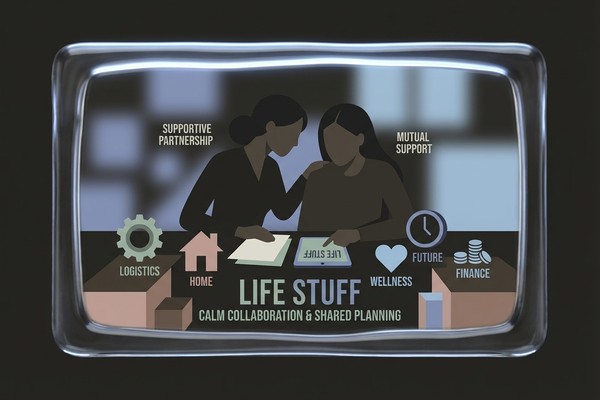
This might look like mentorship that focuses on process, not just outcomes. Communities that normalize the messiness of figuring things out. Tools and resources designed for people who are building systems, not optimizing existing ones. Financial products that account for irregular income and uncertain timelines. Career guidance that helps you explore, not just execute.
The Formation Never Really Ends
Here’s what I wish someone had told me during those early years of chirping smoke detectors and wobbly card tables: the formation years aren’t a phase you graduate from. They’re a pattern you learn to recognize and navigate throughout life. Every major transition—new job, new city, new relationship stage, new family configuration—brings its own version of not knowing what you don’t know.
The skills you build during this first major formation period—learning how to learn, building systems from scratch, tolerating uncertainty while taking action—these become the foundation for handling all the other times life asks you to become someone new.
The goal isn’t to have it all figured out. The goal is to get comfortable with figuring it out as you go.
What did no one teach you that you had to figure out alone? Maybe it was how to negotiate your salary, or how to make friends as an adult, or how to know if you’re ready to move in with someone. Maybe it was something as simple as how often you’re supposed to replace your toothbrush, or as complex as how to build a life that feels authentically yours.
The formation years are hard precisely because they’re important. You’re not just learning tasks—you’re learning how to be the kind of person who can handle whatever comes next. And that’s work worth acknowledging, supporting, and honoring for the cognitive marathon it really is.
This article was created with collaboration between humans and AI—we hope you ❤️ it.